KSTU hosted a conference on the history of the development of pathological anatomy
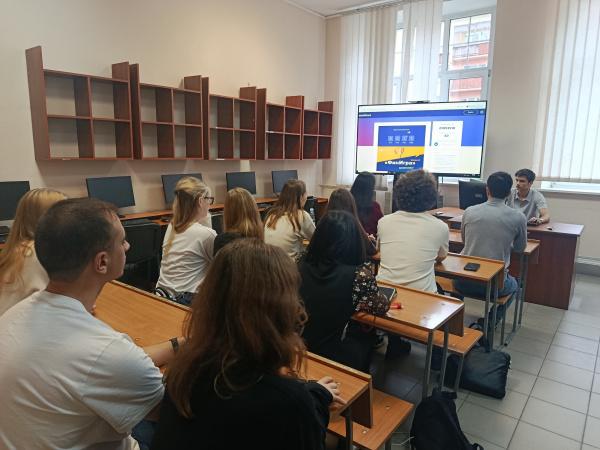
On 26 October, the Veterinary Medicine and Animal Husbandry Technology Department at the Institute of Agricultural Engineering and Food Systems hosted a conference called History of the Development of Pathological Anatomy. The event took place as part of the Pathological Anatomy of Animals module and brought together third-year students studying Veterinary and Sanitary Expertise.
Participants learnt about the key stages in the development of pathological anatomy, including in Russia, as well as about the scientists who had made significant contributions to the advancement of this science. They paid particular attention to discoveries in the study of the pathogenesis and pathomorphology of infectious diseases in various animal species.
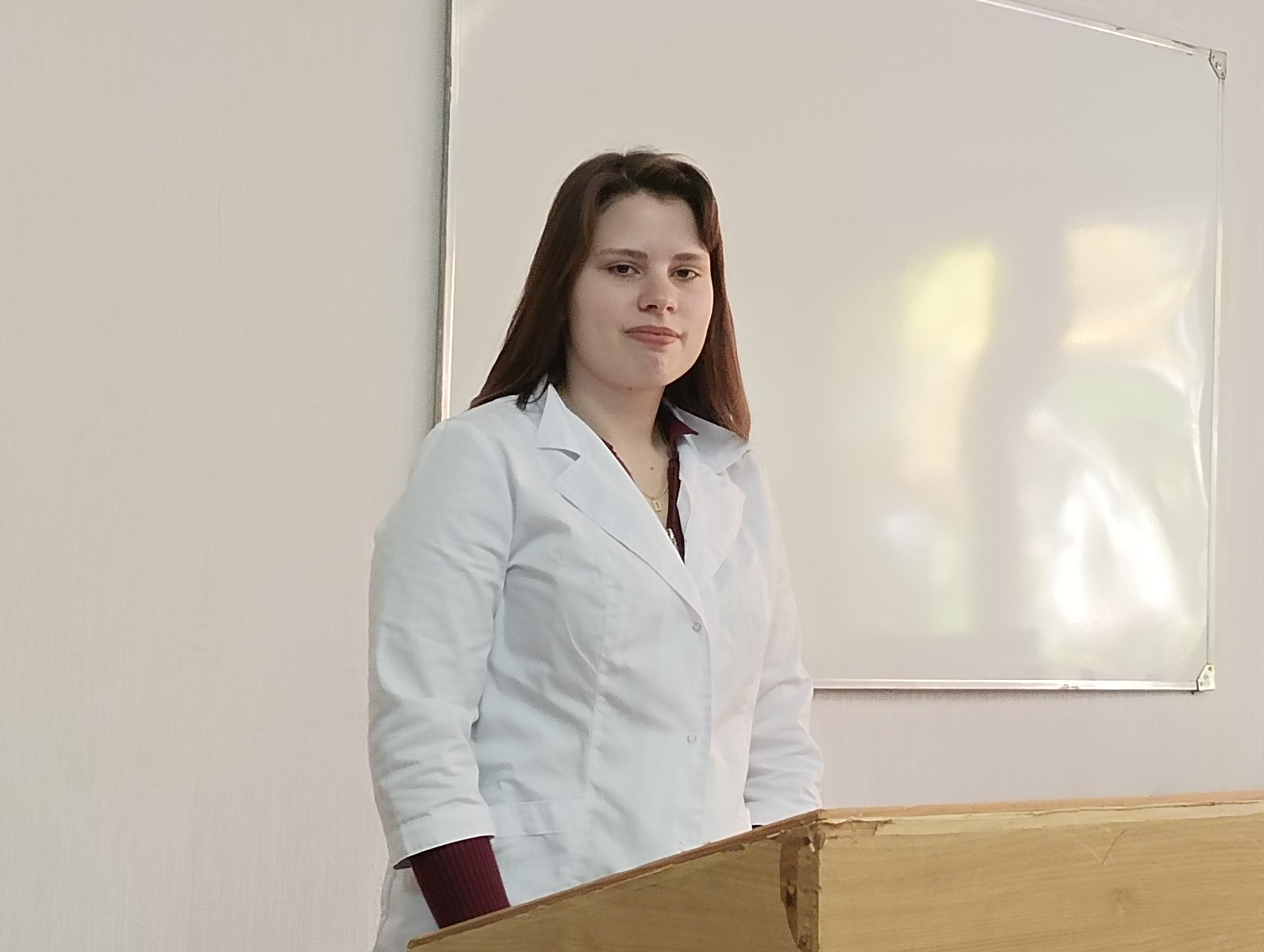
During the conference, the students presented papers on research into the causative agents of infectious diseases, routes of infection and the spread of infections, pathogenesis, pathomorphology and changes in animal organs. They also covered issues related to the diagnosis and differential diagnosis of diseases, the characteristics of causative agents, and the history of developing preventive methods and vaccines.
Of particular interest were the presentations by D. Manchenko on the History of the Formation of Pathological Anatomy and its Development from Antiquity to the Present Day and by N. Snegireva on the Development of Pathological Anatomy in Europe in the 18th–20th Centuries and the Scientists Who Contributed to the Development of the Science. The committee was also particularly interested in E. Ovdiy’s paper, History of the Development and Formation of Pathological Anatomy in Russia and its Significance for Veterinary Medicine.
Organising such events enables students to expand their perspectives and enhance their understanding of the subject they are studying. Furthermore, preparing presentations and exchanging information contribute to the development of analytical thinking and foster a responsible approach to working with scientific materials.