Scientific conference Water Bioresources, Aquaculture and Waterbody Ecology took place as part of the BMF
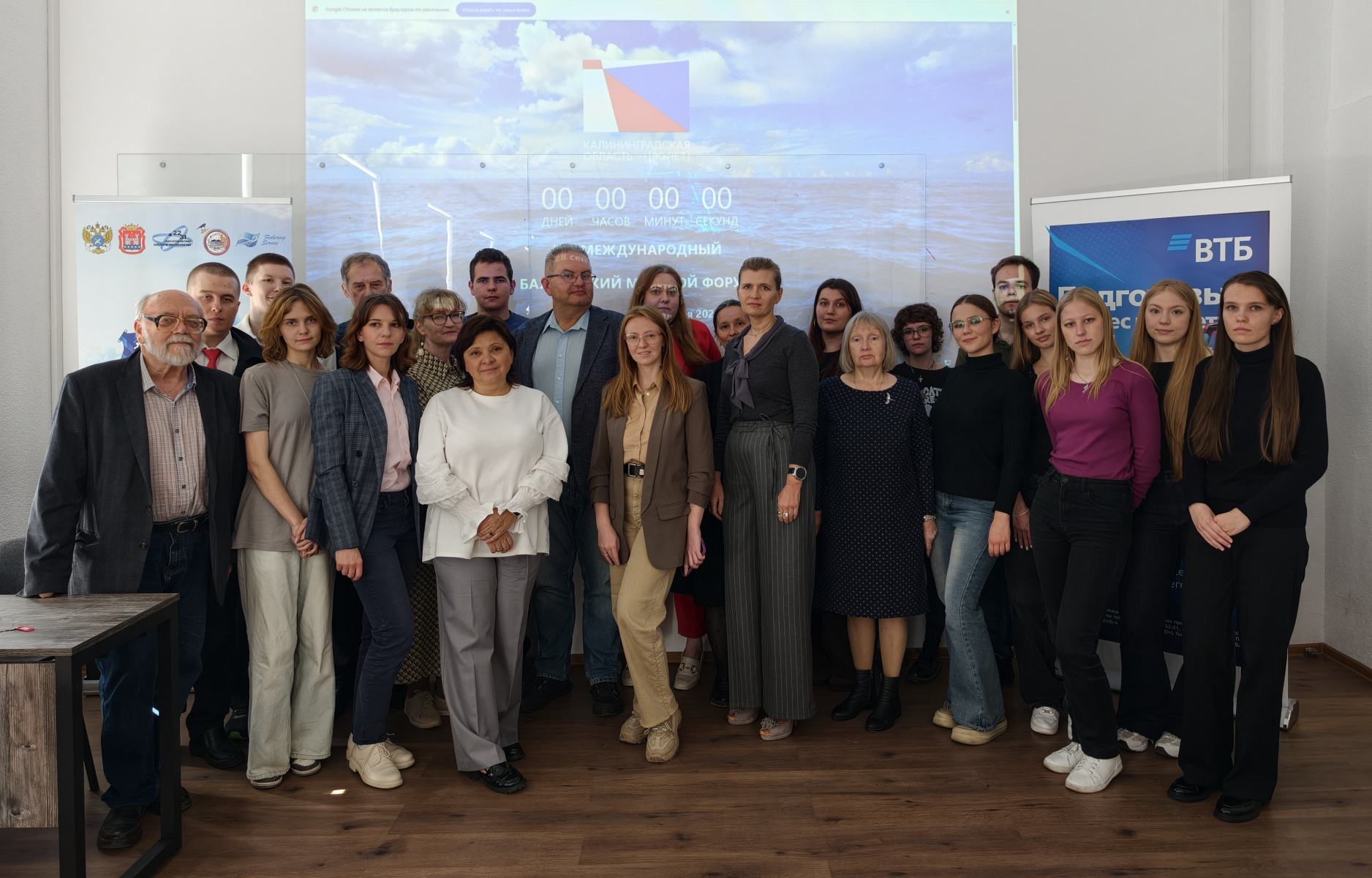
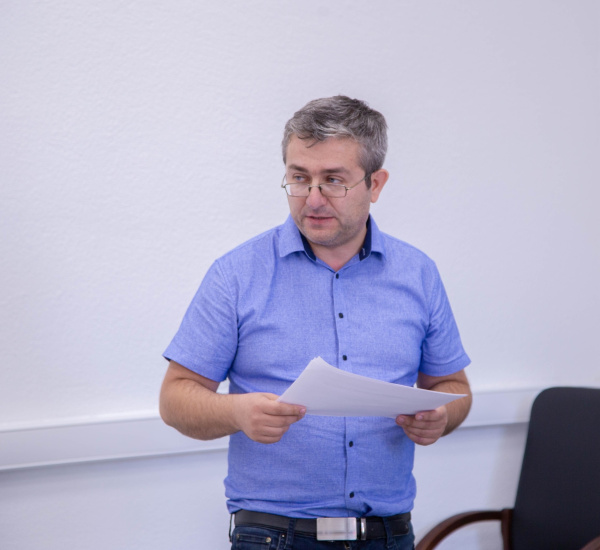
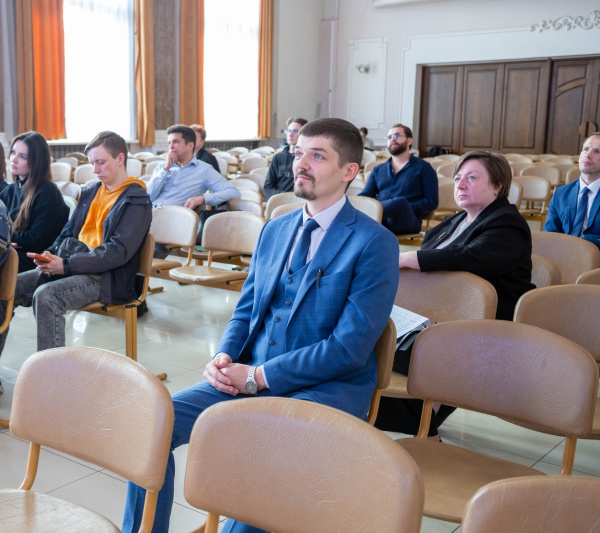
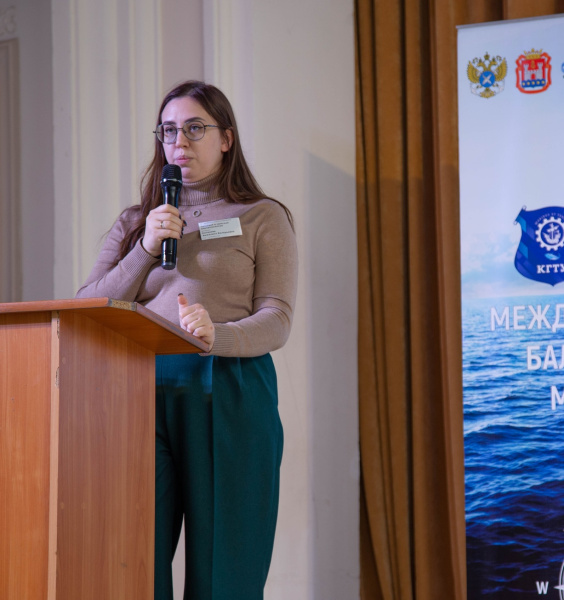
On 30 September and 1 October, our university hosted the XIV National Scientific Conference Water Bioresources, Aquaculture and Waterbody Ecology, named after Professor S.V. Shibaev. The event took place as part of the XIV International Baltic Maritime Forum.
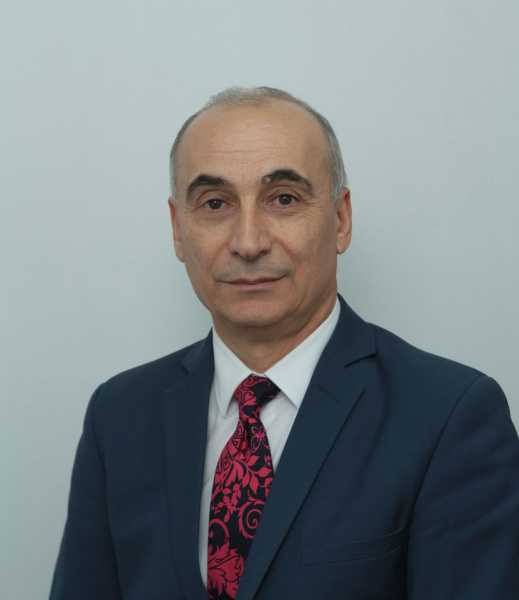
The conference commemorated the outstanding scientist Sergei Vadimovich Shibaev (1959–2023)—Doctor of Biological Sciences, Professor, and Head of the Water Bioresources and Aquaculture Department at KSTU.
It was Sergei Vadimovich who was at the origins of this conference. It is largely thanks to his scientific authority, energy, and sincere dedication to the cause that this conference took shape, bringing together researchers from across the country year after year. Today’s forum is a continuation of Sergei Vadimovich’s work in the field of fisheries research and a tribute to his contribution to science and education.
This year, as is traditional, the event’s programme centred on two major themes: Biological Resources of Water Bodies, Aquaculture, Ichthyopathology and Hydrobiology and Ecology and Sustainable Use of Natural Resources. A total of 30 papers were submitted for publication.
Over the course of two days, more than 20 papers were presented. Many outstanding scientists and representatives from all corners of our country—from Kaliningrad to Petropavlovsk-Kamchatsky—attended the conference. For many years, participants from the Republic of Abkhazia have been sharing their experience with us.
The main topics discussed included:
- - Ichthyopathology and the health of hydrobionts;
- - Commercial fish farming and artificial reproduction technologies;
- - Stock assessment, ecology and population dynamics of commercial species;
- - Molecular-genetic and physiological aspects of aquaculture;
- - Environmental monitoring and assessment of the water bodies' condition;
- - Hydroecology, aquatic flora and trophic connections;
- - Modelling of anthropogenic pressure and pollution;
- - Geoecology and sustainable natural resource management.
The atmosphere amongst conference participants fostered open dialogue: scientists not only exchanged their accumulated experience but also discussed the prospects for joint projects.
Following the results of the conference, the organising committee formulated a number of recommendations for the organisation of future meetings. In particular, they proposed increasing the time allocated for informal discussion of the papers. The possibility of holding off-site sessions, as well as expanding the scope of the sessions to include Geoecology and Hydrogeology, should also be considered—this would open up further opportunities for colleagues interested in participating in our conference.
The organising committee would like to express its gratitude to all speakers and guests for their active participation and interest in the forum.