Stationary and Transport Power Plants were the focus of discussion at the Institute of Marine Technologies, Power Engineering and Construction
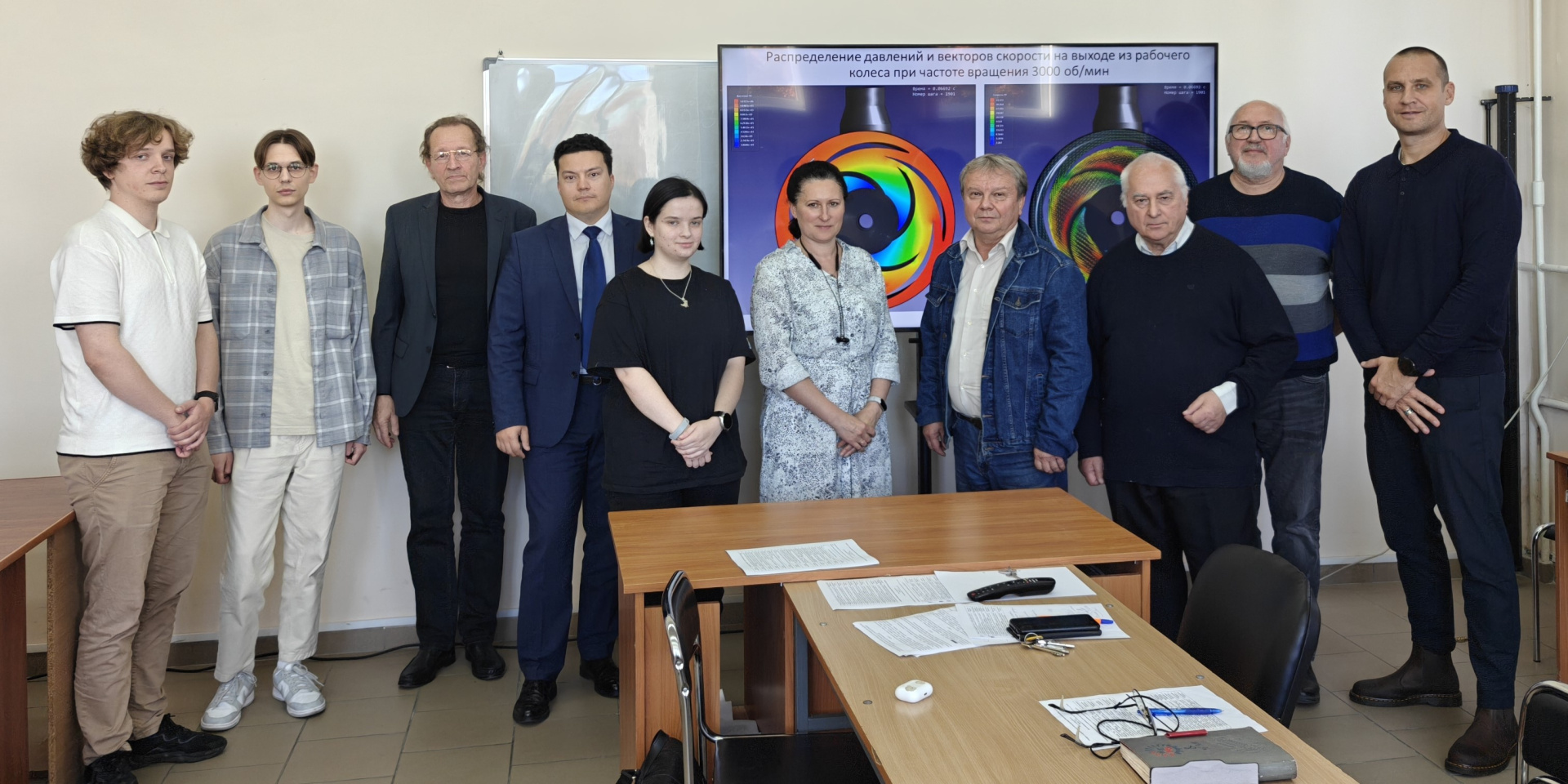
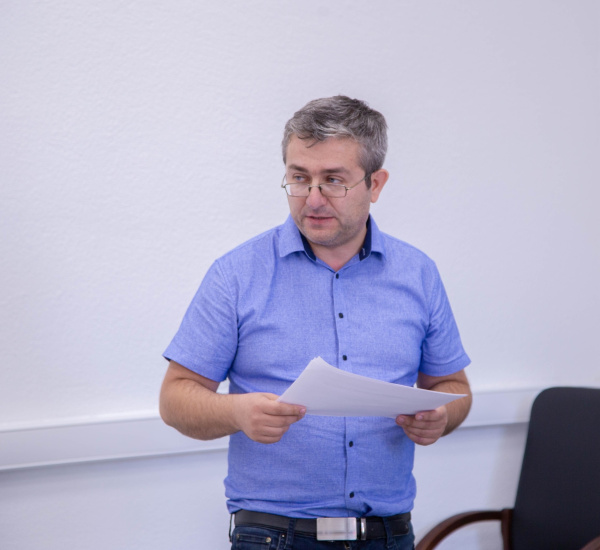
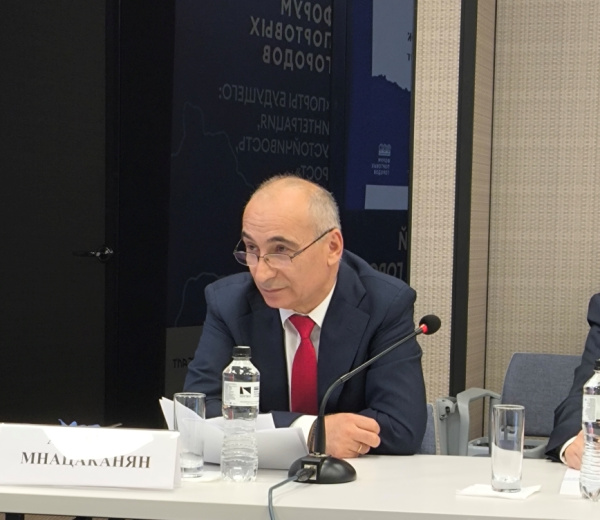
As part of the XIV International Baltic Maritime Forum, the Power Engineering Department at KSTU hosted the XIV National Scientific Conference with international participation, entitled Marine Engineering and Technologies. Maritime Industry Safety. On 1 October, a session on Stationary and Transport Power Plants took place, chaired by Associate Professor A.G. Filonov of the Power Engineering Department.
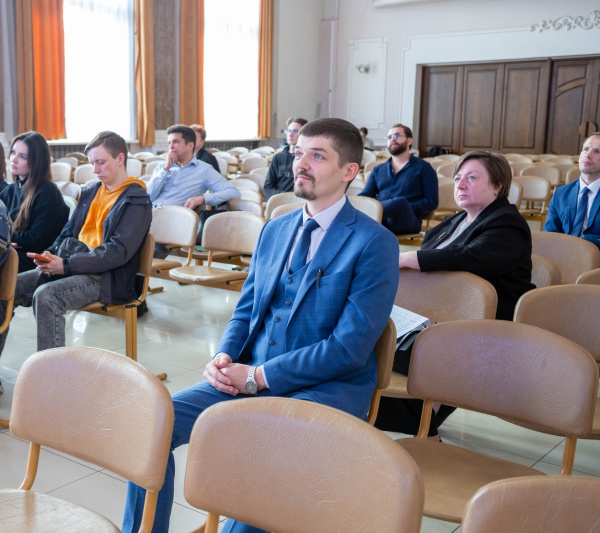
The section was attended by researchers from the following departments: the Power Engineering Department, the Engineering Infrastructure for Capital Construction Objects Department, the Chemistry Department at KSTU, and the Marine Power Plants Department at the BFFSA. In addition to our participants, representatives from OOO Baltenergomontazh, All-Russian Thermal Engineering Institute, Admiral Makarov State University of Maritime and Inland Shipping, FSBEI HE Kherson Technical University, and FSBEI HE Nakhimov Black Sea Higher Naval School.
Eleven papers were presented at the event, covering: the development of a digital twin for a centrifugal pump; methods for improving the efficiency of plate-and-tube heat exchangers; research into the thermophysical properties of substances; improving the efficiency of fuel heat utilisation in power station boilers; assessing water hardness; new trends in the development of rotary heat engines; the applicability of the carbon intensity performance indicator in the modernisation of seagoing vessels; improving power quality during the starting process of an induction (asynchronous) motor; predicting the efficiency of marine diesel engines; and the floating desalination plant process flow diagram (PFD) development.
Conference participants expressed tremendous interest in all the papers, which sparked lively academic discussions. The research findings presented are relevant and significant for our country’s thermal power sector and mechanical engineering industry. Work in these areas will continue.
We would like to thank all participants in the section for their fruitful work and wish them further academic success!