KSTU won the Star of the Future grant
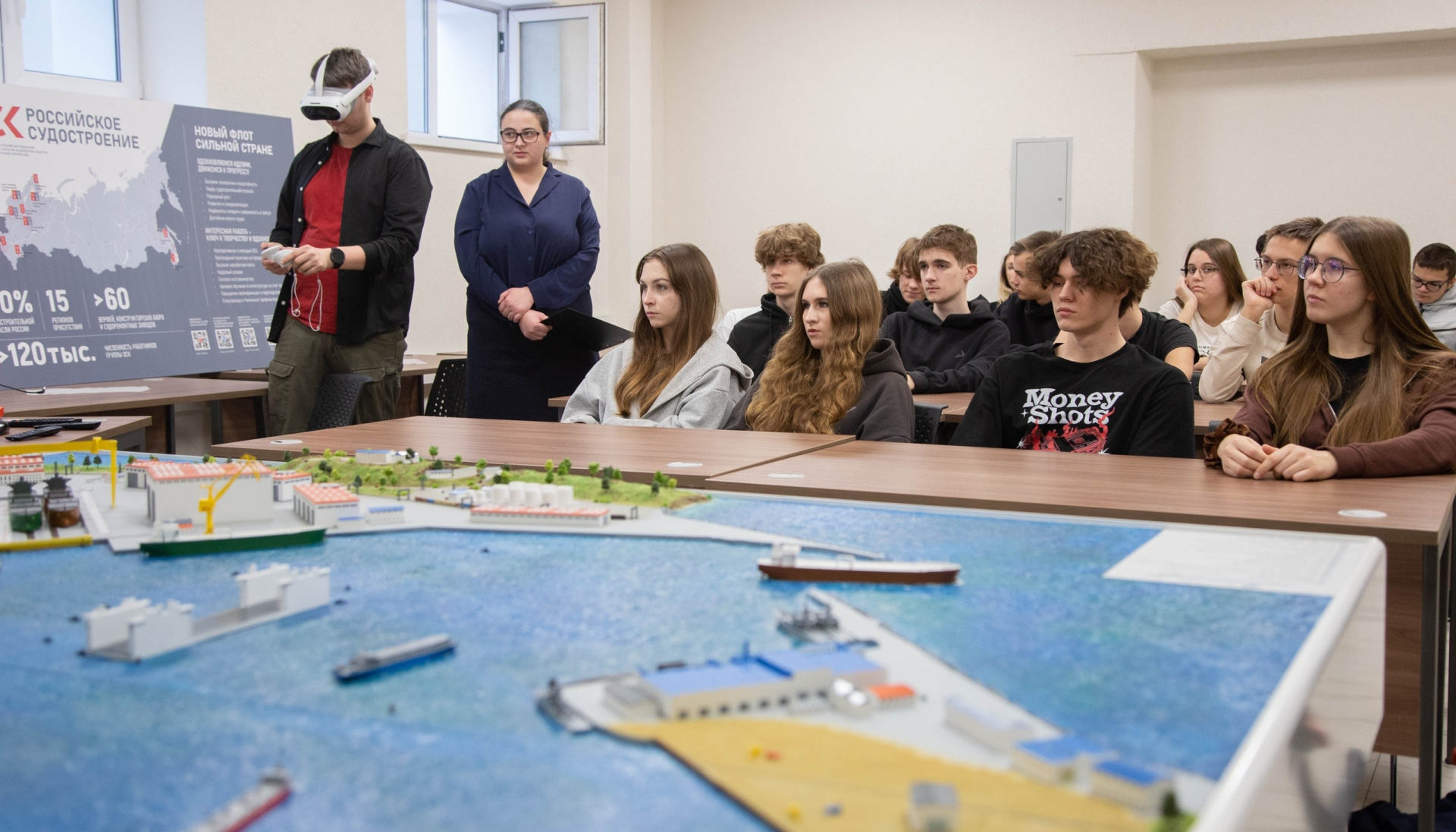
KSTU is the winner of the Star of the Future grant: over 1,000 school pupils will learn about modern technologies in agriculture and shipbuilding in the 2026–2027 academic year.
In April 2026, Kaliningrad State Technical University was declared the winner of the competitive selection process for the Star of the Future grants awarded by the Ministry of Education of the Kaliningrad Region. Two large-scale educational projects run by the university received funding: Shipbuilders of the Future (for shipbuilding engineering classes) and AgroGeneration.39RF (for agricultural technological classes).
Total funding from the regional budget will amount to 2.4 million roubles, and over 1,000 schoolchildren from the Kaliningrad Region will take part in the activities.
The Shipbuilders of the Future project: from theory to the Amber Regatta.
The project aims to train personnel for the shipbuilding industry. Pupils in years 9–11 will work in temporary design bureaus, studying three modular programmes:
1. Fundamentals of Ship Design Theory (hydrostatic calculations and engineering drawing).
2. Ship Modelling (3D modelling, laser cutting, hull assembly).
3. Fundamentals of Electrical Engineering (installation of electric motors and radio equipment).
The result of the training will be participating in the Amber Regatta engineering competition with working remote-controlled models.
For pupils in years 7–8, a preparatory course entitled Class Meetings: Young Engineer was developed, featuring interactive masterclasses and mentoring by KSTU students.
The AgroGeneration.39RF project: from soil science to digital technologies.
The project addresses the issue of staffing in the agro-industrial complex. Five educational modules were developed for students in years 8–11:
- Agronomy (botany, soil science, plant protection);
- Animal husbandry and veterinary science (including practical training at the BalticVet centre);
- Aquaculture (biology of hydrobionts, management of a small-scale closed-loop water systems);
- Raw material processing technology (assessment of milk and meat quality);
- Digital technologies in the agro-industrial complex (GIS maps, drones, underwater robots).
For pupils in years 7–8, a course entitled Class Meetings: PROF_AGRO_Formula, delivered by student mentors in a ‘cooperative pedagogy’ format, is being implemented with a focus on early career guidance.
Both projects involve school pupils participating in KSTU’s Olympiad marathon, the Planet University career guidance quests, the Smart Holidays and Scientific Collaboration projects. Implementation will begin with the 2026 summer specialised sessions.
For reference: KSTU is the largest centre for technical creativity of children and adolescents in the region, delivering supplementary education programmes for more than 1,500 schoolchildren every year.
In April 2026, Kaliningrad State Technical University was declared the winner of the competitive selection process for the Star of the Future grants awarded by the Ministry of Education of the Kaliningrad Region. Two large-scale educational projects run by the university received funding: Shipbuilders of the Future (for shipbuilding engineering classes) and AgroGeneration.39RF (for agricultural technological classes).
Total funding from the regional budget will amount to 2.4 million roubles, and over 1,000 schoolchildren from the Kaliningrad Region will take part in the activities.
The Shipbuilders of the Future project: from theory to the Amber Regatta.
The project aims to train personnel for the shipbuilding industry. Pupils in years 9–11 will work in temporary design bureaus, studying three modular programmes:
1. Fundamentals of Ship Design Theory (hydrostatic calculations and engineering drawing).
2. Ship Modelling (3D modelling, laser cutting, hull assembly).
3. Fundamentals of Electrical Engineering (installation of electric motors and radio equipment).
The result of the training will be participating in the Amber Regatta engineering competition with working remote-controlled models.
For pupils in years 7–8, a preparatory course entitled Class Meetings: Young Engineer was developed, featuring interactive masterclasses and mentoring by KSTU students.
The AgroGeneration.39RF project: from soil science to digital technologies.
The project addresses the issue of staffing in the agro-industrial complex. Five educational modules were developed for students in years 8–11:
- Agronomy (botany, soil science, plant protection);
- Animal husbandry and veterinary science (including practical training at the BalticVet centre);
- Aquaculture (biology of hydrobionts, management of a small-scale closed-loop water systems);
- Raw material processing technology (assessment of milk and meat quality);
- Digital technologies in the agro-industrial complex (GIS maps, drones, underwater robots).
For pupils in years 7–8, a course entitled Class Meetings: PROF_AGRO_Formula, delivered by student mentors in a ‘cooperative pedagogy’ format, is being implemented with a focus on early career guidance.
Both projects involve school pupils participating in KSTU’s Olympiad marathon, the Planet University career guidance quests, the Smart Holidays and Scientific Collaboration projects. Implementation will begin with the 2026 summer specialised sessions.
For reference: KSTU is the largest centre for technical creativity of children and adolescents in the region, delivering supplementary education programmes for more than 1,500 schoolchildren every year.