Tenth-graders from Kaliningrad schools attended Summer Technical School
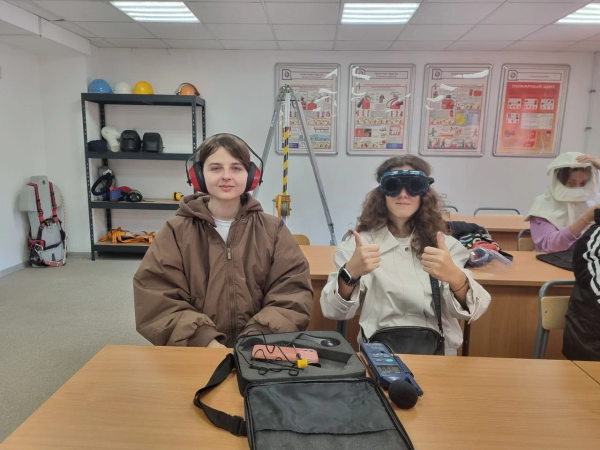
Tenth-graders from Secondary School No. 31, Lyceum No. 17, Grammar School No. 22 and KML attended Summer Technical School at the Institute of Marine Technologies, Power Engineering and Construction. This time, the classes took place at the Power Engineering Department.
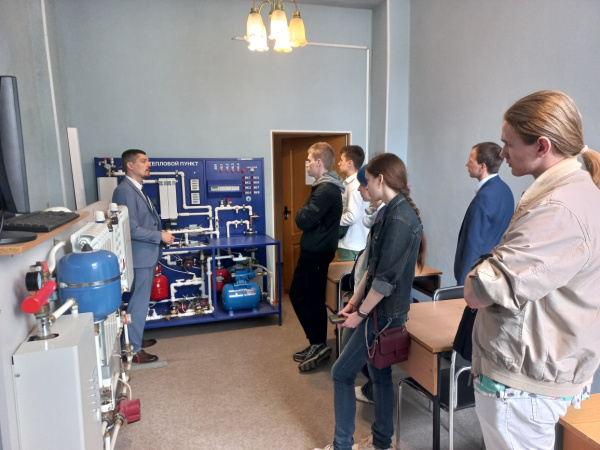
The school days began with a full immersion in the profession. Associate Professor A. G. Filonov of the Power Engineering Department held three masterclasses. The pupils traced the evolution of heat engines: from starting up a working model of a classic steam engine to studying a full-scale model of a gas turbine and a laboratory diesel engine test bench. On a specialised thermal power station simulator, the pupils were able to experience what it is like to be part of a power station’s operational staff. They analysed complex diagrams in real time and learnt to control the plant’s parameters. Following the interactive session, Alexander Georgievich led a tour of the modern training laboratories, explaining the specific features of Kaliningrad power stations, the types of fuel used, and the equipment employed in actual production.
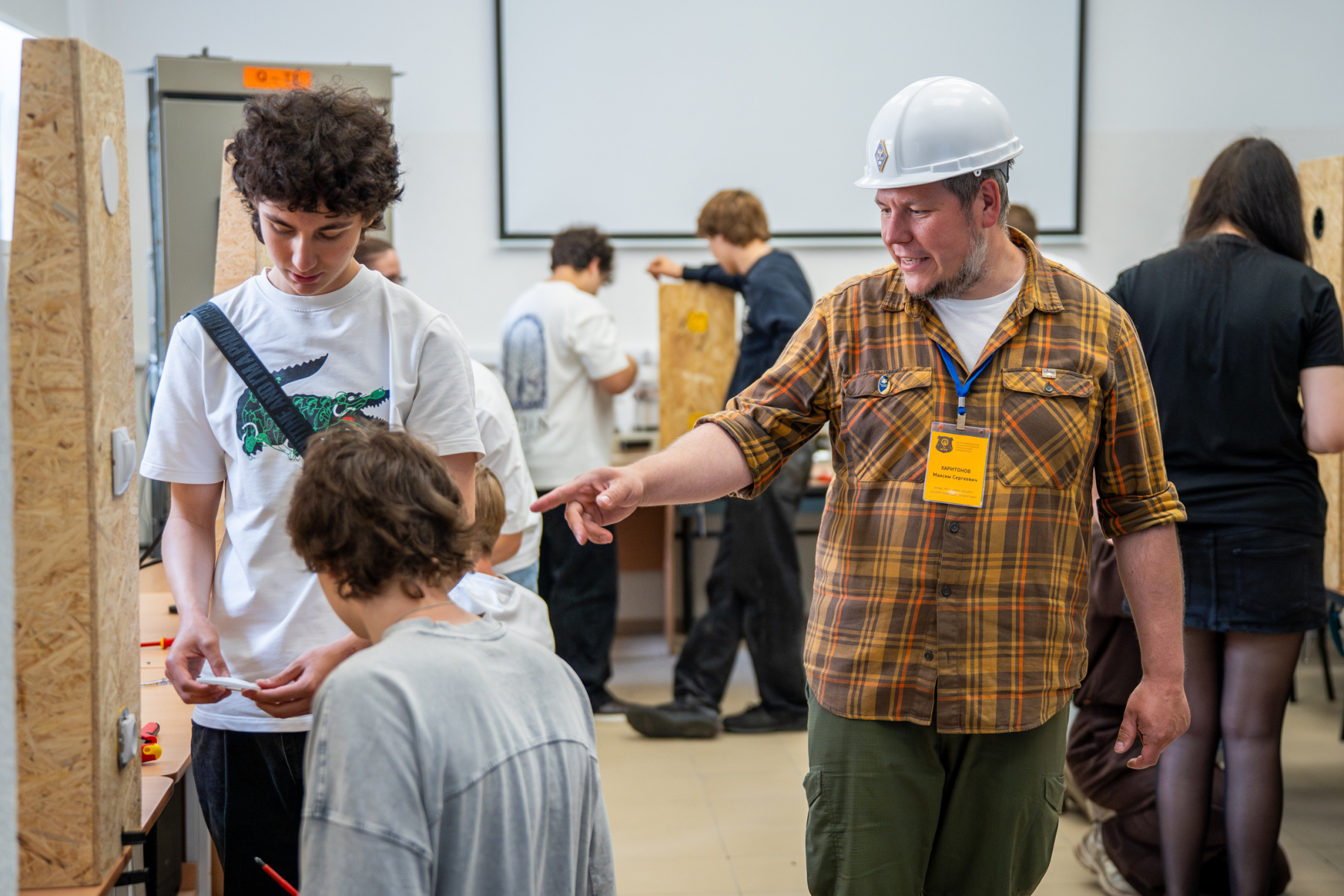
At the second venue, in the electrical engineering laboratories, a masterclass entitled Electrical Installation was held under the guidance of M. S. Kharitonov, Associate Professor of the Power Engineering Department. Participants in the masterclass learnt the basic health and safety rules for carrying out work and gained an understanding of electrical installation tools and how to use them. The school pupils learnt the principles of making electrical connections and installing sockets and switches, after which, under the guidance of their tutor, they installed components of an in-house power supply system on a mounting panel themselves.
At the end of the summer technical school programme organised by the Power Engineering Department, the school pupils attended a lecture by Maxim Sergeyevich about the Russian energy sector. The pupils learnt how the sector developed in our region, what trends are relevant today, and what prospects lie ahead for graduates of the Electroenergetics and Electrical Engineering and Heat Power Engineering and Thermal Engineering training directions. Special emphasis was placed on the advantages of studying at KSTU.
The summer school provided the pupils with an excellent opportunity not only to hear about a career in the energy sector but also to obtain hands-on experience, enabling them to appreciate the scale and prospects of this rapidly developing sector.